Caring for a child with a serious birth injury is one of the most demanding things a human being can do, and it is relentless. There are no days off, no vacations, and very few moments where the cognitive and emotional weight fully lifts. Caregiver burnout is not a weakness. It is a predictable, med
A delayed emergency C-section is one of the most common and most preventable causes of birth injury in the United States. When a baby is showing signs of distress and the medical team does not deliver quickly enough, the result can be oxygen deprivation, brain injury, and lifelong consequences. If y
April 30,2026
How to Read Fetal Monitoring Strips: What Families Should Know About Signs of Distress

If you’ve requested your labor and delivery records and are trying to understand what the fetal monitor printout shows, this guide is for you. You don’t need a medical degree to recognize the patterns that matter most. Understanding the basics of fetal monitoring strips can help you ask
April 16,2026
What Parents Should Ask After a Possible Birth Injury: 15 Questions for the Medical Team

If your baby experienced a difficult delivery and you still don’t have clear answers, you are not alone, and you are right to keep asking. This guide gives you 15 specific, medically informed questions to ask doctors, specialists, and nurses. Knowing the right questions can help you cut throug
Birth injury laws vary widely from state to state, and those differences can significantly affect a family’s legal options. Filing deadlines, medical malpractice rules, and requirements for pursuing a birth injury claim are not the same everywhere—and understanding these distinctions is critical
When a child is diagnosed with a condition linked to birth trauma, families are often left with more questions than answers. Medical needs, therapy costs, and long-term care can feel overwhelming—especially when parents begin to suspect that a birth injury may have been preventable. This guide exp
Some birth injuries are obvious immediately after delivery. Others aren’t—and families may not get answers until months or even years later. If you’ve ever wondered why a child can seem “fine” at birth but later struggle with movement, speech, learning, or behavior, you’re not alone. In
How to Monitor and Discuss Developmental Milestones How to Monitor and Discuss Developmental Milestones Every child develops on their own timeline. Here’s how to track milestones, spot red flags, and start confident, productive conversations with your pediatrician—without panic or guesswork. The
September 12,2025
Benefits of Occupational Therapy and Physical Therapy for Children with Birth Injuries

When a child is diagnosed with a birth injury such as cerebral palsy, brachial plexus injury, or developmental delays, one of the most common recommendations from doctors and specialists is therapy. Two of the most effective forms of treatment are occupational therapy (OT) and physical therapy (PT).
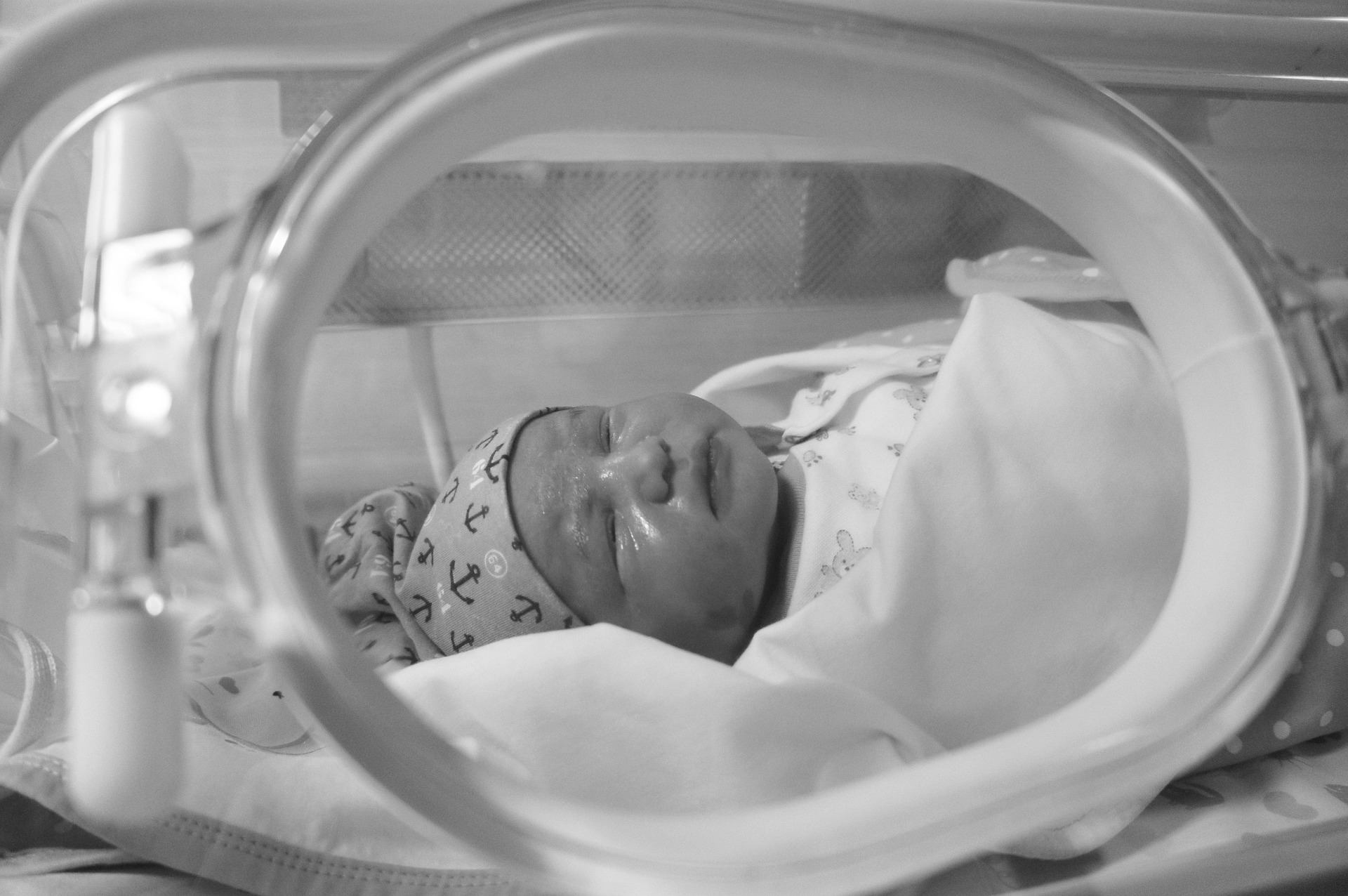
A stay in the Neonatal Intensive Care Unit (NICU) can be overwhelming. Whether your baby arrived early, faced complications during birth, or is recovering from a procedure, the NICU is a place of hope—and many questions. These tips will help you communicate with the care team, safely bond with you