

Learn how Pitocin misuse during labor induction can cause birth injuries and cerebral palsy. Understand the risks, warning signs, and your legal rights.
October 16,2026
Respite Care for Families of Children With Cerebral Palsy: Where to Look and How to Qualify
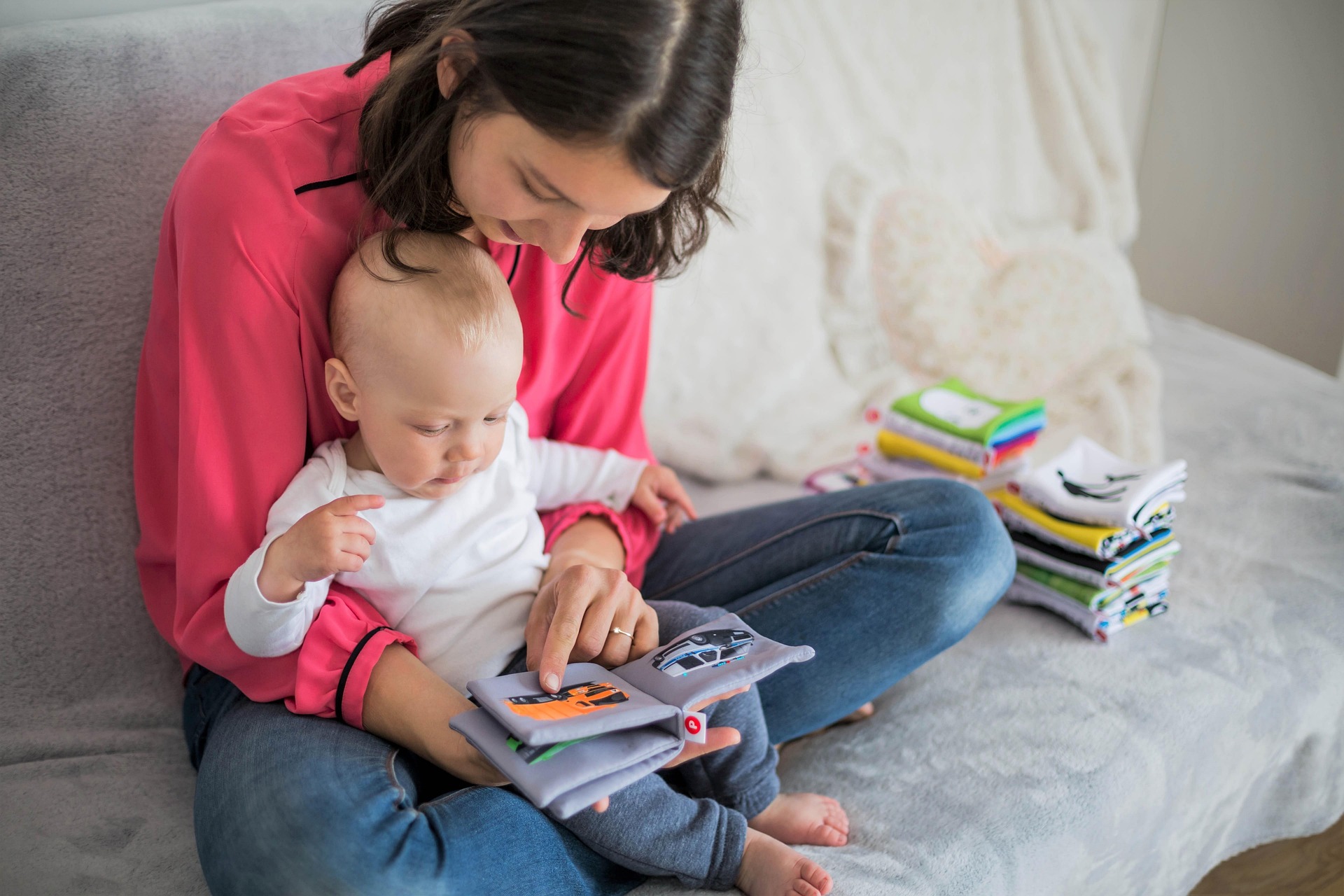
Respite care, short-term, trained care for your child so you can have meaningful time off, is one of the most evidence-supported tools for preventing caregiver burnout, protecting family stability, and sustaining long-term caregiving capacity. And yet, most families who need it most don’t acce
September 25,2026
When a Baby Misses Developmental Milestones: Could It Be a Birth Injury or Cerebral Palsy?

Parents are often the first to notice something isn’t quite right before any physician has said the words. A baby who seems unusually stiff or floppy. A baby who isn’t rolling at the expected time. A child who strongly favors one hand, long before that’s considered normal. Your ins
September 18,2026
Mobility Equipment for Children With Cerebral Palsy: How Families Choose the Right Fit
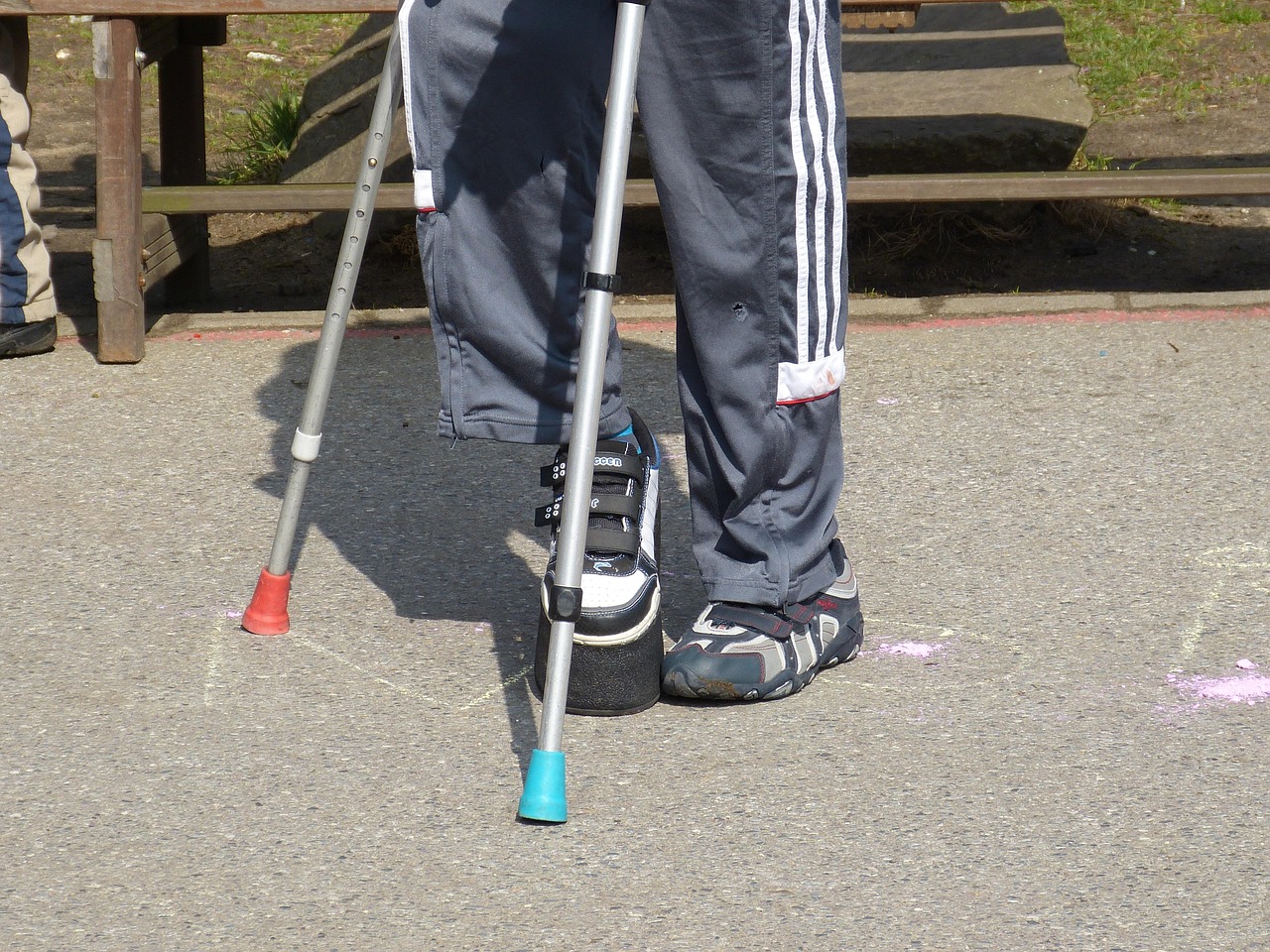
Mobility equipment decisions are among the most impactful and most confusing choices families face in cerebral palsy care. The right equipment can dramatically improve a child’s participation, independence, posture, and quality of life. The wrong equipment, or the right equipment poorly fitted

When a child has cerebral palsy, their siblings are shaped by the experience in profound ways, some positive, some challenging, depending largely on how much information, attention, and emotional acknowledgment they receive. Siblings who are kept in the dark develop their own explanations for what t

Your child’s school is legally required to provide appropriate support for their disability, but ‘appropriate’ often needs to be defined, fought for, and monitored. Understanding the difference between an IEP and a 504 Plan, knowing how to request the right one, and knowing what to

Sleep problems are among the most underaddressed challenges in cerebral palsy, yet studies show they affect up to 44% of children with Cerebral Palsy, compared to 20% to 30% in the general pediatric population. Poor sleep doesn’t just affect the child. It affects every single person in the hou

Feeding is one of the most complex and physically demanding things a baby does, and for children with cerebral palsy, it is often the first place where difficulty becomes visible. Studies show that up to 90% of children with cerebral palsy experience some form of feeding difficulty. Yet feeding prob

If you’re managing a child’s cerebral palsy care, you are juggling more information than any single person was designed to hold in their head: multiple specialists, therapy schedules, medication changes, school IEP documents, insurance appeals, equipment authorizations, and hospitalizati

Getting your child’s cerebral palsy diagnosis is one of the most disorienting experiences a parent can have. Even when you knew something was wrong, hearing the words out loud is different. You may feel grief, relief, fear, guilt, anger, and fierce protective love sometimes all at once. Every